Digital Feudalism: How IRC's Class War Made 4chan Look Like a Democracy
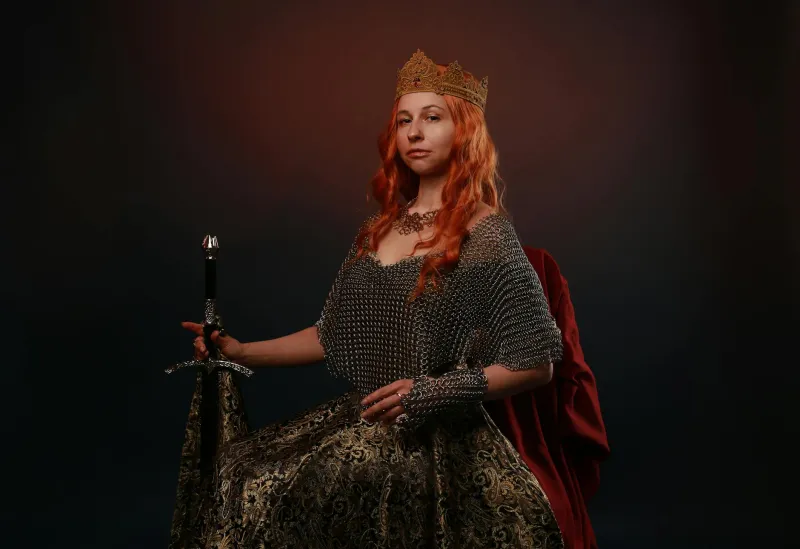
The Throne of Channels: A Medieval Internet
Forget everything you think you know about online equality. Before Reddit's upvotes and Twitter's verification checkmarks, there was IRC — the internet's first experiment in digital authoritarianism, where your social status was literally displayed next to your username for everyone to see.
The hierarchy was simple, brutal, and absolute. At the top sat the IRCops — network administrators with godlike powers who could kill your connection with a single command. Below them, channel operators (@) ruled their digital fiefdoms with iron fists. Half-ops (%) occupied an awkward middle management position that nobody respected. Voice (+v) users got to speak in moderated channels but were basically digital peasants. And at the bottom? The unwashed masses of regular users, distinguished only by their lack of symbols and abundance of desperation.
This wasn't just a technical permission system — it was a complete social order that would make medieval Europe jealous. Your IRC rank didn't just determine what commands you could use; it determined your entire online identity, your social circle, and whether people would even acknowledge your existence.
The @ Symbol: More Precious Than Gold
Getting channel operator status wasn't just about technical privileges — it was about joining the digital aristocracy. That little @ next to your username was worth more than any college degree, more prestigious than any job title. It meant you had arrived.
Channel ops didn't just moderate chat; they controlled entire online universes. They decided who could speak, who got banned, who was worthy of voice status, and most importantly, who might someday join their exclusive club. The power was intoxicating, and it showed.
We've all seen them: the power-drunk channel op who'd kick users for minor infractions, the petty tyrant who'd ban someone for disagreeing with their movie recommendations, the digital despot who treated their IRC channel like a personal kingdom. And somehow, we all wanted to be them.
The process of becoming an op was more political than any presidential campaign. You had to curry favor with existing operators, demonstrate unwavering loyalty to the channel's unwritten rules, and prove you could be trusted with absolute power over other users. It was like pledging a fraternity, except the hazing involved memorizing bot commands and the Greek letters were replaced with ASCII art.
Half-Ops: The Middle Management Nobody Wanted
If channel operators were kings, half-ops were the court jesters — technically part of the nobility but constantly reminded of their inferior status. The % symbol was IRC's participation trophy, a consolation prize that said "you're special, but not that special."
Half-ops could kick users but not ban them permanently. They could change topics but not channel modes. They had just enough power to be dangerous and just little enough to be constantly frustrated. It was the perfect recipe for creating bitter, power-hungry middle managers who took out their inadequacy on regular users.
The worst part? Half-op status was often given to people who couldn't handle full operator privileges — the IRC equivalent of being promoted to your level of incompetence. They were the substitute teachers of the internet, technically in charge but never truly respected.
Most half-ops spent their entire IRC careers desperately trying to prove they deserved full operator status, like digital Oliver Twist asking for more gruel. "Please sir, can I have some @?"
Voice: The Illusion of Importance
Voice status (+v) was IRC's cruelest joke — just important enough to make you feel special, just meaningless enough to remind you of your place. In moderated channels, voice meant you could speak while the unwashed masses were silenced. In regular channels, it was purely decorative, like a participation ribbon at a special olympics.
But humans are status-obsessed creatures, and even the smallest symbol of recognition was treasured. Voice users would flaunt their + like a luxury handbag, desperately hoping someone would notice their elevated status. "Look at me! I have voice! I'm somebody!"
The tragedy of voice status was that it created false hope. Every +v user secretly believed they were just one step away from half-op, then full op, then maybe even IRCop status. It was the American Dream of IRC — the belief that anyone could climb the digital ladder if they just kissed enough virtual ass.
IRCops: The Untouchable Digital Gods
At the pinnacle of IRC's feudal system sat the IRCops — network administrators with powers so absolute they made Stalin look like a community organizer. These weren't just channel moderators; they were the internet police, judge, jury, and executioner all rolled into one username.
IRCops could kill your connection instantly with a /kill command. They could ban your entire ISP with a K-line. They could make you disappear from the network so completely that you'd start questioning your own digital existence. And the scariest part? They were usually teenagers with too much time and too little supervision.
The typical IRCop was either a 16-year-old script kiddie drunk on power or a 30-year-old system administrator taking out their workplace frustrations on IRC users. Both types were equally terrifying, equally unpredictable, and equally convinced of their own digital divinity.
Most users never interacted with IRCops directly — they were like distant gods, occasionally descending from Mount Server to smite the wicked and protect the righteous. When an IRCop joined your channel, conversation stopped. Everyone suddenly became very polite, very careful, very aware that their continued existence on the network depended on not pissing off the wrong person.
The Social Psychology of Digital Power
What made IRC's hierarchy so fascinating wasn't the technology — it was the human psychology. Give someone a @ symbol and watch them transform into a digital Napoleon. The smallest taste of power over other users was enough to corrupt absolutely.
Channel operators developed elaborate justifications for their authority. They weren't power-hungry tyrants; they were community leaders maintaining order. They weren't banning people arbitrarily; they were protecting channel culture. They weren't drunk on digital power; they were shouldering the heavy responsibility of leadership.
The really insidious part was how the system made everyone complicit. Regular users sucked up to ops hoping for promotion. Half-ops brown-nosed their way toward full operator status. Even the ops themselves were constantly aware that IRCops could strip their powers at any moment.
It was a perfect pyramid scheme of digital deference, where everyone spent their time looking up the hierarchy instead of questioning why the hierarchy existed in the first place.
Discord: Same Shit, Different Decade
Fast forward to 2023, and Discord has basically rebuilt IRC's class system with better graphics and more emoji. Server owners are the new channel ops, moderators are the new half-ops, and regular users are still fighting for the digital scraps of recognition.
We've replaced @ symbols with colored names and role tags, but the psychology remains identical. People still crave digital authority, still abuse minor power over other users, still create elaborate social hierarchies based on meaningless technical privileges.
The only difference is that modern platforms have gotten better at disguising their authoritarianism. Discord calls them "roles" instead of "ranks," making it sound like you're playing Dungeons & Dragons instead of participating in digital feudalism. But strip away the modern UI and friendly branding, and you'll find the same power-hungry human nature that made IRC channels into tiny dictatorships.
The Legacy of Digital Aristocracy
IRC's class system taught an entire generation of internet users that online spaces weren't democratic — they were kingdoms waiting for the right tyrant. It normalized the idea that some users deserved more privileges than others, that power over digital communities was something to be hoarded rather than shared.
Looking back, maybe that @ symbol wasn't just a technical necessity. Maybe it was a warning about what happens when you give humans even the smallest amount of power over each other in digital spaces. Maybe IRC's hierarchy was less bug than feature — a perfect laboratory for studying how quickly online communities devolve into authoritarian nightmares.
But damn if it wasn't fun to finally get that @ next to your name.