Digital Gravediggers: When Archive Team Volunteers Became the Internet's Emergency Room Surgeons

Digital Gravediggers: When Archive Team Volunteers Became the Internet's Emergency Room Surgeons
October 26, 2009. 11:59 PM Pacific Time. Somewhere in Yahoo's data centers, a switch flipped and 38 million digital shrines vanished forever. Geocities — the internet's first neighborhood, where every teenager with a 56k modem could build their own corner of cyberspace — got the corporate death sentence with all the ceremony of emptying a trash can.
But while Yahoo executives were probably celebrating the end of their bandwidth nightmare, a different kind of chaos was unfolding in IRC channels across the globe.
The Digital Doomsday Preppers
"We knew it was coming," recalls Jason Scott, the digital archivist who became the unofficial general of what would later be called the Geocities Rescue Team. "Yahoo announced the shutdown in April 2009, giving us exactly six months to save the internet's most important archaeological site. It was like being told the Library of Alexandria would burn down next Tuesday."
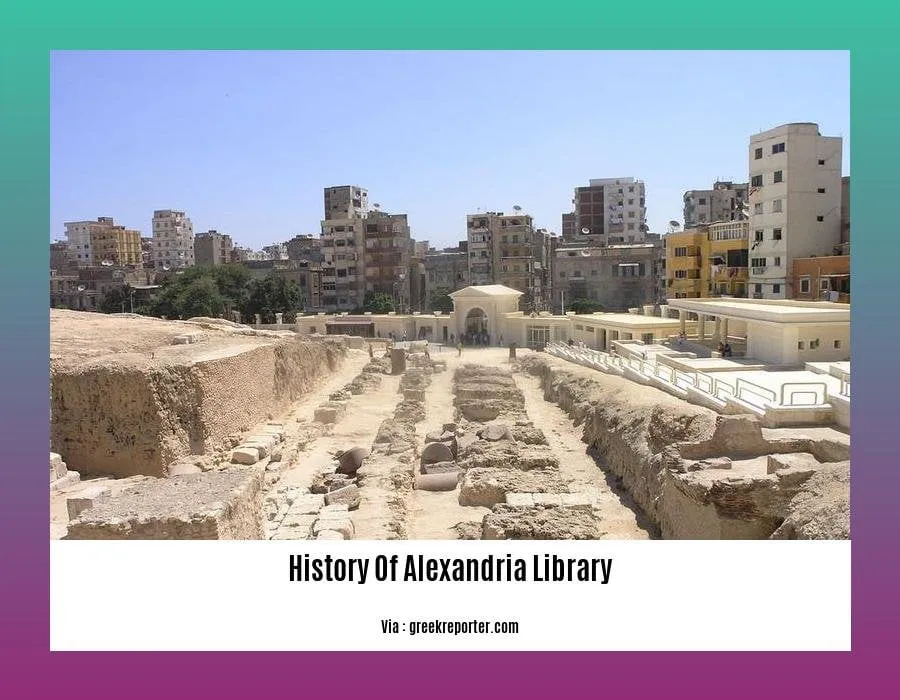 Photo: Library of Alexandria, via www.lolaapp.com
 Photo: Jason Scott, via media.modernluxury.com
The Archive Team — a loose confederation of data hoarders, digital preservationists, and chronic insomniacs — had been monitoring corporate death announcements since 2006. They'd already witnessed the slow-motion apocalypse of other early web platforms: Friendster's decline, the collapse of various hosting providers, the systematic deletion of forums and communities that once thrived.
But Geocities was different. This wasn't just another social network or web service dying a natural death. This was the murder of the internet's childhood home.
Racing Against the Corporate Reaper
The technical challenge was staggering. Geocities hosted an estimated 38 million pages across dozens of themed "neighborhoods" — from the anime shrines of Tokyo to the conspiracy theories of Area51. Each page was a time capsule of late-90s web culture: blinking text, MIDI background music, rotating skull GIFs, and guest books filled with the digital equivalent of "Kilroy was here."
"The math was terrifying," explains Archive Team volunteer Ryan Finnie. "Even if we could scrape 100 pages per second — which we couldn't — we'd need over 100 days of continuous downloading. And Yahoo was giving us six months, but we didn't start until August."
The team developed a distributed scraping system that would make modern DevOps engineers weep with envy. Volunteers from around the world contributed bandwidth, storage, and processing power. Shell accounts that had been dormant since the height of the warez scene suddenly sprang back to life, their owners dusting off forgotten servers to join the rescue effort.
The Anatomy of Digital Folk Art
What exactly were they trying to save? To Silicon Valley executives, Geocities was digital garbage — an embarrassing reminder of the web's amateur hour. But to the Archive Team, every rainbow-text homepage was a primary source document of internet culture.
"These weren't professional websites," Scott emphasizes. "They were digital bedrooms. Places where 14-year-olds posted terrible poetry, where small business owners hand-coded their first online presence, where fan communities gathered around shared obsessions that seemed ridiculous to everyone else."
The typical Geocities page was a masterpiece of enthusiastic incompetence: background images that made text unreadable, visitor counters that proudly displayed single-digit numbers, and enough animated GIFs to trigger seizures in epileptic web browsers. But beneath the aesthetic chaos lay something profound — authentic human expression unfiltered by corporate algorithms or design guidelines.
The Great Digital Triage
As the October deadline approached, the Archive Team faced impossible choices. Which neighborhoods should they prioritize? The sprawling anime fan sites of Tokyo? The earnest personal pages of Heartland? The conspiracy theory archives of Area51?
"We had to become digital battlefield medics," recalls volunteer Rachel Johnson. "You'd find a neighborhood that hadn't been touched yet, and you'd have maybe six hours to grab everything before the bandwidth gods decided your connection should die. It was pure chaos."
The team developed a triage system based on cultural significance, uniqueness, and pure gut instinct. Fan sites for obscure Japanese RPGs got priority over the millionth Sailor Moon shrine. Personal homepages with original content jumped the queue ahead of template-based business pages.
But even their best efforts could only save a fraction of what existed. Conservative estimates suggest the Archive Team rescued about 650 gigabytes of content — maybe 5% of what Geocities actually contained.
The Aftermath: What We Actually Lost
In the years since Geocities died, digital historians have begun to understand the magnitude of what vanished that October night. It wasn't just websites that disappeared — it was an entire mode of internet expression.
Geocities represented the last gasp of the web as a frontier rather than a platform. Before Facebook profiles and Instagram feeds, before content management systems and responsive design, there was raw HTML and the democratic chaos of anyone with FTP access building whatever weird thing they could imagine.
"We lost the internet's folk art tradition," argues media historian Olia Lialina. "Geocities was where normal people — not programmers, not designers, just humans with something to say — learned to speak in HTML. When it died, the web became a read-only medium for most people."
 Photo: Olia Lialina, via dinca.org
Digital Archaeology in the Corporate Age
The Geocities rescue operation established precedents that the Archive Team still follows today. Every time a platform announces its death — from Google Reader to Vine to whatever Silicon Valley decides to kill next quarter — the same network of volunteers mobilizes with military precision.
But the broader questions raised by Geocities remain unanswered. Who decides what digital culture is worth preserving? What happens when corporate convenience trumps historical significance? And why do we keep building our digital lives on platforms owned by companies that view our data as a liability to be minimized?
"Yahoo could have just put Geocities in read-only mode," Scott points out. "The bandwidth costs would have been minimal, and 38 million pieces of internet history would still exist. Instead, they chose deletion because it was easier than caring."
Today, the rescued fragments of Geocities live on in the Internet Archive and various mirror sites, digital ghosts of a more optimistic web. Researchers mine the surviving pages for insights into early internet culture, while nostalgic millennials search for their own forgotten homepages like digital archaeologists hunting for their childhood toys.
The Archive Team continues its work, racing against corporate calendars and server shutdown schedules. Because they learned the hard lesson of October 26, 2009: on the internet, everything is temporary unless someone fights to make it permanent. And sometimes, the only people willing to fight are digital gravediggers working through the night, saving our collective memory one rescued webpage at a time.