Ma Bell's Worst Nightmare: When Teenage Hackers Turned Payphones Into Digital Weapons
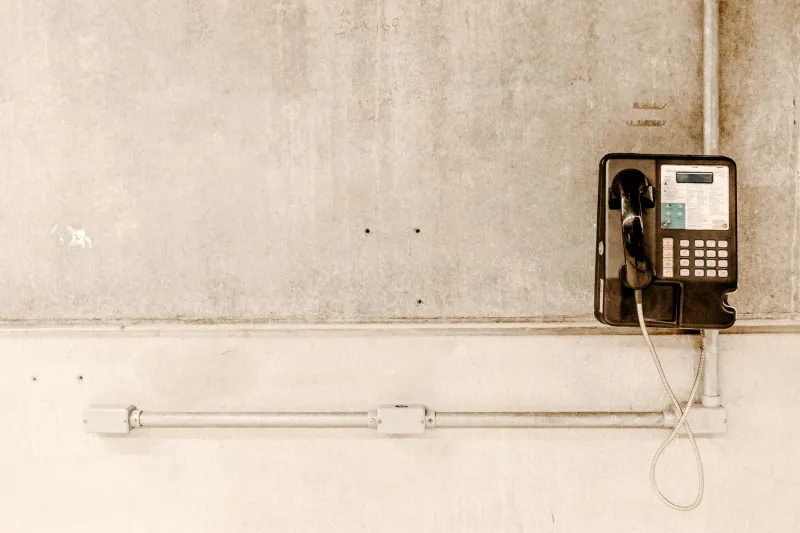
The Day AT&T Realized They'd Built the World's Largest Hackable Network
Picture this: It's 1987, and while your parents are worried about Saturday morning cartoons rotting your brain, you've discovered something infinitely more dangerous. That beige rotary phone in the kitchen isn't just a communication device—it's a terminal into the most sophisticated computer network ever built. And nobody bothered to put a password on it.
Welcome to phone phreaking, where a generation of pre-internet hackers discovered that Ma Bell's telephone infrastructure was basically a massive Unix system with public access points on every street corner. These weren't your typical script kiddies downloading hacker manifestos from bulletin boards. These were analog gods who could whistle their way into free long-distance calls and make payphones do things that would make a Cisco engineer weep.
Blue Boxes, Red Boxes, and the Rainbow of Telecom Anarchy
The phone phreaks had more colors in their toolkit than a Crayola factory. Blue boxes generated the magical 2600 Hz tone that could convince AT&T's switching equipment you were another phone company. Red boxes mimicked the sounds of quarters dropping into payphones, turning any RadioShack tone generator into a pocket-sized money printer. And then there were the rainbow boxes—devices so specialized they had names like "beige box" (basic line taps) and "black box" (making your phone invisible to billing systems).
John Draper, aka "Cap'n Crunch," became a legend when he discovered that the plastic whistle in cereal boxes could generate perfect 2600 Hz tones. Suddenly, breakfast became a hacker convention, and grocery stores unknowingly became the first hardware suppliers for telecom terrorism.
The beauty wasn't just in the free calls—it was in understanding that the entire telephone network was one massive computer that nobody realized was hackable. These kids were reverse-engineering switching protocols while their classmates were still figuring out how to program their VCRs.
War Dialing: When Modems Became Digital Metal Detectors
By the early '90s, phreaking evolved into something even more dangerous: systematic network reconnaissance. War dialing—the practice of having modems automatically call thousands of phone numbers to find other modems, bulletin boards, or unprotected systems—turned every PC with a modem into a digital prospecting tool.
The process was beautiful in its simplicity. Fire up a war dialer like ToneLoc or THC-Scan, feed it a range of phone numbers (usually targeting businesses after hours), and let it run overnight. Come morning, you'd have a treasure map of every BBS, corporate modem pool, and misconfigured PBX system in your area code.
For IRC addicts in the dial-up era, war dialing wasn't just about finding systems to hack—it was about finding alternate routes to the internet. That random modem answering at 555-7823 might be someone's home Linux box with a permanent connection, turning into your personal shell account if you could social engineer your way past their login screen.
From Copper Wire to IRC Wire: The Phreaking-to-Hacking Pipeline
The transition from phone phreaking to internet hacking wasn't just natural—it was inevitable. The same mindset that saw telephone switches as exploitable computers immediately recognized that IRC servers, FTP sites, and early web servers were just the telephone network's digital evolution.
Phone phreaks had already mastered the art of social engineering by impersonating telephone company employees to get technical information. When they moved online, they simply adapted these skills to convince sysadmins they were legitimate users, fellow employees, or technical support.
The underground zines that documented phreaking techniques—publications like Phrack, 2600 Magazine, and Tap—seamlessly evolved into covering computer hacking, network security, and internet culture. Phrack became the Rolling Stone of hacker culture, with issues covering everything from TCP/IP exploitation to advanced social engineering techniques.
The Great Convergence: When Phreaks Discovered BBS Culture
Bulletin Board Systems became the perfect meeting ground where phone phreaking knowledge merged with early computer hacking. BBS operators were often phone phreaks themselves, using their telecom skills to set up elaborate systems with multiple phone lines, advanced routing, and sometimes questionable billing arrangements.
The legendary boards—places like The Phoenix Project, Demon Roach Underground, and Metal Shop—weren't just file trading posts. They were universities where phreaking techniques were documented, refined, and passed down to new generations of digital miscreants.
When these communities eventually migrated to IRC in the mid-'90s, they brought their entire cultural DNA with them. The same people who had been trading blue box schematics and PBX vulnerabilities were now sharing exploits, warez, and building the bot networks that would define IRC's golden age.
The Death of Ma Bell, the Birth of the Modern Internet
The telecommunications deregulation of 1996 and the rise of digital switching systems effectively killed traditional phone phreaking. But by then, it didn't matter—the internet had become the new frontier, and the phreaks had already colonized it.
The skills transferred perfectly: understanding network protocols, social engineering, systematic reconnaissance, and most importantly, the hacker mindset that viewed every system as potentially exploitable. The generation that had learned to hack AT&T's copper wire infrastructure became the architects of internet culture, IRC networks, and the underground communities that would define online life for the next decade.
Today, when some 40-year-old CISO talks about "defense in depth" and "network segmentation," there's a good chance they learned those concepts not from a cybersecurity bootcamp, but from a 1989 issue of Phrack explaining how to hop between telephone company central offices.
The phone phreaks didn't just hack the telephone network—they accidentally invented the internet's entire cultural operating system while trying to make free prank calls.