Photoshop Pirates and Fortune 500 CEOs: The Burned CD Underground That Built Modern Tech
The $50 Million Education in Your Sock Drawer
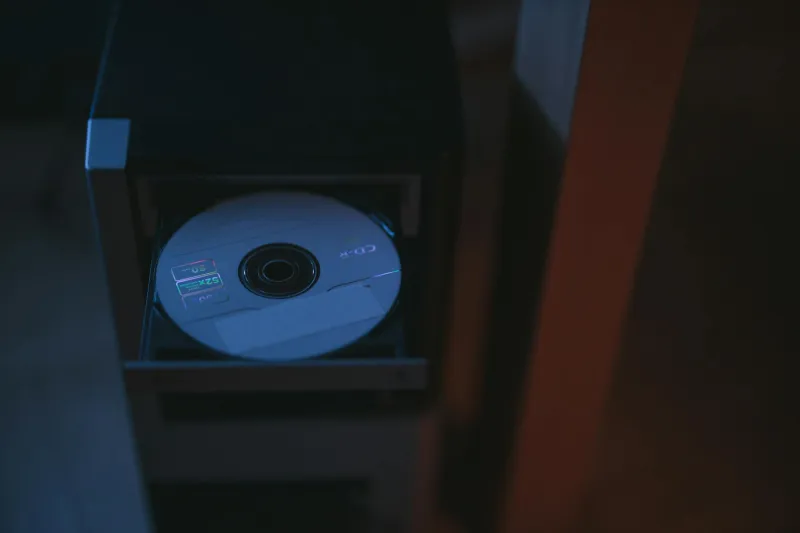
Somewhere in a dusty box in your parents' basement, there's probably a CD-R with "DESIGN PACK 2001" scrawled in Sharpie that's worth more than your college degree. Not because of what it cost—maybe five bucks for the blank disc—but because of what it taught an entire generation of American kids who couldn't afford the $600 price tag on legitimate software.
That burned CD, stuffed with cracked Photoshop 6.0, Visual Studio .NET, and 3D Studio Max, became the most democratic computer science curriculum ever created. It just happened to be completely illegal.
When Piracy Was the Only Scholarship Program
In 2001, Adobe Photoshop cost more than most teenagers made in three months of minimum wage jobs. Visual Studio? That was enterprise pricing that assumed you already had a corporate budget. 3D Studio Max was priced for Hollywood studios, not high schoolers with big dreams and dial-up connections.
The software industry had created a perfect catch-22: you needed professional tools to build professional skills, but you needed professional income to afford professional tools. Enter the warez scene, which solved this problem with the elegant simplicity of a TCP packet: copy everything, distribute freely, let talent sort itself out.
"I learned more from one burned CD than four years of high school computer classes," says Marcus Chen, now a senior engineer at a major cloud provider. "My school had Paint and Notepad. The warez scene had the entire Adobe Creative Suite."
The Accidental Curriculum
What made these bootleg collections so powerful wasn't just the software—it was the curation. The best warez releases weren't random dumps of applications. They were carefully assembled toolkits that represented years of scene knowledge about what actually mattered.
A typical "Developer Pack" CD might include Visual Studio, Dreamweaver, Flash, Photoshop, and a dozen smaller utilities that professional developers actually used. Someone in the scene—probably a 17-year-old with more technical knowledge than most computer science professors—had assembled the perfect starter kit for digital creativity.
The scene's obsessive documentation culture meant these CDs came with NFO files that were basically unofficial textbooks. ASCII art headers gave way to detailed installation instructions, feature explanations, and sometimes philosophical manifestos about the democratization of digital tools.
From Bedroom Hackers to Boardroom Leaders
The numbers are staggering when you start connecting dots. A 2019 informal survey of Silicon Valley professionals found that over 60% had used pirated software during their formative years. Not just games—professional development tools that shaped their entire career trajectory.
Sarah Martinez, now a UX director at a Fortune 500 company, traces her career directly to a warez CD she got from her older brother in 1999. "I was 14 and wanted to make websites. Dreamweaver was $400, which might as well have been $4 million for my family. That burned CD changed everything."
The irony is beautiful: the software industry's pricing strategy created the exact piracy problem that then trained their future workforce. Adobe, Microsoft, and Autodesk were essentially running an accidental scholarship program funded by teenagers with CD burners.
The Scene's Quality Control Problem
Not all warez CDs were created equal. The difference between a quality release and garbage was often the difference between launching a tech career and getting your computer infected with more malware than a Windows ME installation.
The best scene groups—CORE, PARADOX, CRD—had reputations to maintain. Their releases worked, came clean, and included proper documentation. These weren't just software pirates; they were digital librarians preserving and distributing the tools that corporate America had priced out of reach.
"Getting a CORE release was like getting software blessed by the pope," remembers Tom Rodriguez, now a startup founder. "You knew it would work, you knew it was clean, and you knew you were getting the real deal."
The Great Legitimization
Something fascinating happened as these warez kids grew up and started making money: they became paying customers. The same people who had pirated Photoshop as teenagers were buying Creative Cloud subscriptions as adults. The scene had essentially created a massive delayed-gratification customer acquisition program.
Adobe figured this out eventually, launching student pricing and eventually subscription models that made their tools accessible to the next generation. But for the crucial years between 1995 and 2005, when the internet was being built by people who learned their skills from burned CDs, piracy was the only game in town.
The Unintended Meritocracy
The warez scene created something the traditional education system couldn't: a pure meritocracy based on curiosity and capability rather than economic privilege. If you could figure out how to crack software protection, configure complex applications, and navigate the technical challenges of bootleg installations, you probably had the problem-solving skills to succeed in tech.
Many of today's tech leaders got their start not in computer science classrooms, but in bedrooms lit by CRT monitors, installing cracked software at 2 AM while their parents slept. They learned debugging by necessity—when your pirated Visual Studio crashes, there's no tech support to call.
The Digital Samizdat Legacy
The warez CD phenomenon was essentially digital samizdat—the underground distribution of prohibited materials that happened to contain the keys to economic mobility. Unlike the Soviet samizdat that distributed literature, this version distributed opportunity itself.
Today's app stores, free tiers, and open-source movements owe their existence to the lessons learned from that era. The tech industry finally understood that artificial scarcity of development tools was bad for everyone—including the companies selling those tools.
That burned CD in your basement didn't just contain software. It contained the compressed dreams of an entire generation that refused to accept that creativity should be limited by credit limits. And judging by who's running Silicon Valley these days, those dreams extracted just fine.