Server Wars: The Forgotten Digital Battles That Made DalNet the Wild West of the Internet
Server Wars: The Forgotten Digital Battles That Made DalNet the Wild West of the Internet
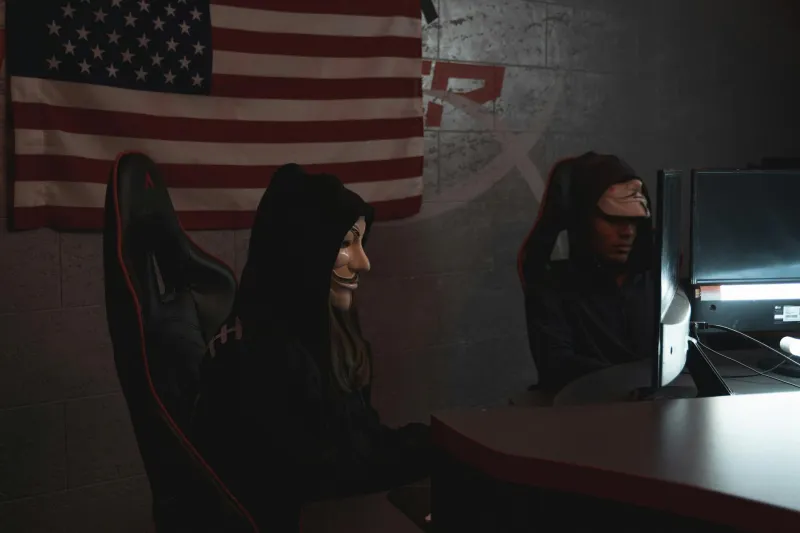
Long before nation-states were hiring hackers and Anonymous was making international headlines, the real digital warfare was happening in the trenches of IRC networks like DalNet and EFNet. These weren't script kiddies defacing websites for lulz — these were organized crews executing military-precision operations to seize control of chat channels, crash entire servers, and establish digital territories that they'd defend with the ferocity of medieval warlords.
Welcome to the IRC takeover wars of the late 1990s, where teenagers with too much time and too little supervision accidentally invented modern cyber-warfare tactics while fighting over who got to be an operator in #mp3.
The Anatomy of Digital Conquest
To understand the scope of these conflicts, you need to grasp what was at stake. This wasn't just about chat rooms — IRC channels were the primary distribution hubs for everything the internet had to offer. #warez for software, #mp3 for music, #divx for movies, and dozens of specialized channels for everything from rare books to leaked government documents. Control a major channel, and you controlled a pipeline worth millions in today's digital economy.
The weapons of choice weren't guns or bombs — they were clone floods, server splits, and mass deop attacks. A well-coordinated crew could launch hundreds of fake users (clones) into a channel simultaneously, overwhelming the server's capacity and causing it to disconnect from the network. During the chaos of a "netsplit," when servers temporarily lost connection to each other, attackers could seize operator privileges and lock out the original channel owners.
But the real professionals didn't stop at simple flood attacks. They developed sophisticated botnets — armies of compromised computers that could execute coordinated strikes across multiple servers simultaneously. These weren't the malware-infected home PCs that modern botnets rely on; these were carefully cultivated collections of university workstations, corporate servers, and government machines that had been quietly compromised and turned into digital soldiers.
The Great DalNet Server Heist of '99
Perhaps no single incident better illustrates the scale of these conflicts than the legendary DalNet server compromise that IRC veterans still whisper about in darkened channels. A crew known only as "The Collective" spent months infiltrating DalNet's server infrastructure, not through sophisticated zero-day exploits, but through good old-fashioned social engineering and password cracking.
They started small, targeting individual server administrators with carefully crafted phishing emails and fake technical support calls. Remember, this was 1999 — most sysadmins had never heard of social engineering, and the idea that someone would impersonate tech support to steal passwords seemed absurd.
Once they had access to a few servers, The Collective began their masterpiece: a coordinated takeover of DalNet's most valuable real estate. In a single night, they seized control of over 200 channels, including major distribution hubs that had been operating continuously for years. They didn't just take the channels — they systematically purged the user databases, banned the original operators, and installed their own people as permanent rulers.
The response was swift and brutal. Rival crews that had been feuding for months suddenly united against the common threat. What followed was a digital siege that lasted three weeks, with attacks and counter-attacks happening around the clock. Server administrators found themselves caught in the crossfire, trying to maintain network stability while armies of bots waged war in their chat rooms.
The Psychology of Digital Territories
What drove these conflicts wasn't money or political ideology — it was something far more primal. These channels represented digital territories in the purest sense, spaces where groups could establish their own rules, culture, and hierarchy. Losing control of a channel you'd built and maintained for years wasn't just a technical setback; it was a personal violation that demanded retribution.
The social dynamics were fascinating and terrifying in equal measure. Channel operators wielded absolute power within their domains, able to ban users, delete messages, and control who could speak. This created feudal-style hierarchies where loyalty was everything and betrayal was met with swift digital exile.
But unlike real-world territories, these digital kingdoms could be conquered in minutes by anyone with the right technical knowledge and sufficient motivation. This created a constant state of paranoia and preparation. Serious operators maintained detailed contingency plans, backup channels on multiple networks, and alliances with other crews who could provide mutual defense.
The Mercenary Economy
As the stakes grew higher, a shadow economy emerged around IRC warfare. Skilled bot herders could rent their services to crews planning major operations. A coordinated 500-clone flood attack might cost $50 in Bitcoin's predecessor currencies, while a sophisticated server infiltration could command hundreds of dollars.
Some operators became digital mercenaries, switching allegiances based on who could offer the best deal. Others specialized in particular types of attacks — there were crews known exclusively for their mastery of specific IRC daemon exploits, others who had perfected the art of social engineering server administrators.
The most successful groups operated like intelligence agencies, maintaining networks of informants across multiple IRC networks, tracking the movements and plans of rival crews, and maintaining detailed databases of potential targets and their vulnerabilities.
The Decline and Digital Diaspora
By the early 2000s, several factors began to undermine the IRC war ecosystem. Improved server security made the classic exploits less effective. The rise of peer-to-peer file sharing reduced the strategic importance of IRC distribution channels. And perhaps most importantly, many of the key players simply grew up and moved on to careers that used their skills in more legitimate ways.
But the techniques they pioneered didn't disappear — they evolved. The social engineering tactics refined in IRC takeover operations became the foundation for modern phishing attacks. The botnet coordination methods developed for channel floods scaled up to become the DDoS attacks that plague the internet today. The intelligence-gathering and target reconnaissance practices became standard operating procedures for both criminal hackers and government cyber-warfare units.
Lessons From the Digital Frontier
Looking back, the IRC takeover wars were more than just teenage drama played out with computers. They were a preview of the cyber-conflicts that would define the next two decades of internet history. The kids who learned to coordinate multi-vector attacks against IRC servers grew up to become the security professionals, criminal hackers, and government cyber-warriors who shape today's digital landscape.
They proved that in cyberspace, traditional concepts of geography, sovereignty, and military power meant nothing. A teenager in suburban Detroit could command more digital firepower than most small countries. A crew of college students could execute operations that would cripple infrastructure serving millions of users.
Most importantly, they demonstrated that the internet wasn't the peaceful, collaborative space that its creators had envisioned. It was a frontier territory where the strongest and smartest could claim whatever they were willing to fight for — and where the battles never really ended, they just moved to bigger stages.
Somewhere out there, on servers that have been running since the Clinton administration, the last veterans of the IRC wars are still holding their ground, maintaining channels that represent decades of digital history. They're the keepers of a forgotten age when the internet was wild, dangerous, and utterly fascinating — before it became safe enough for your grandmother to use Facebook.