ToneLoc and the Teenage Cartographers: How a Free DOS Program Let Suburban Kids Map Every Corporate Phone Switch in America
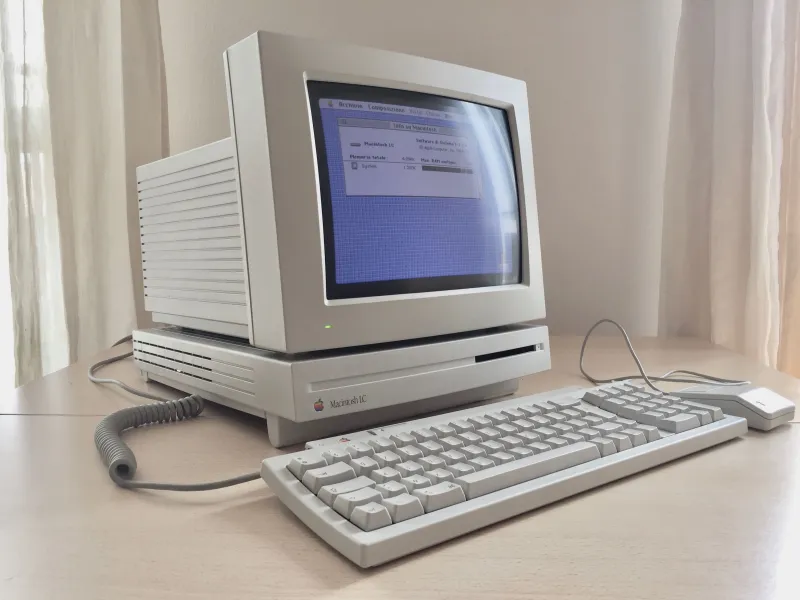
Photo: vintage USRobotics modem 1990s desktop computer DOS screen, via i.pinimg.com
Somewhere in suburban Ohio in 1995, a fourteen-year-old is watching his modem's TX light blink in a rhythm that looks almost musical. The screen fills with numbers. Most return VOICE. Some return NO CARRIER. But every so often, the terminal spits out the magic word: CARRIER — and the kid leans forward like he just found a twenty-dollar bill in a coat pocket. He has no idea he's doing penetration testing. He just knows it's the coolest thing a modem can do besides downloading a JPG one agonizing scanline at a time.
This was war dialing. And for a solid decade, it was the closest thing American teenagers had to a national sport that their parents absolutely could not understand.
The Tool That Started a Thousand Phone Bills
ToneLoc — short for Tone Locator, pronounced like the rapper — was a DOS program written by two guys going by the handles Minor Threat and Mucho Maas and released in 1994. It was elegant in the way that all great hacker tools are elegant: it did one thing, it did it completely, and it came with documentation that read like a technical manual crossed with a manifesto.
The concept was pure simplicity. You gave ToneLoc a range of phone numbers. It dialed every single one. It listened to what answered. It logged the results into a file you could sort later. VOICE meant a human or answering machine. CARRIER meant a modem or fax. TONE meant something more interesting — a PBX, a DISA line, a voicemail system, or occasionally something that made your stomach drop in a way that was equal parts terror and excitement.
THC-SCAN came later, out of the German hacker collective The Hacker's Choice, and added features that made ToneLoc look like a pocket calculator. By the mid-nineties, any kid with a 14.4k modem, a copy of either program, and parents who didn't scrutinize the phone bill too carefully had everything they needed to start mapping the telecommunications infrastructure of their entire region.
The documentation for ToneLoc in particular was a masterpiece of the era. It explained not just how to use the tool but what you were looking for and why. It was the kind of technical writing that PhreakNIC attendees would quote from memory. It circulated on BBSes, in .zip files on early FTP servers, and through IRC channels where the topic was permanently set to something that would give a modern HR department a full cardiac episode.
What the Tones Actually Meant
For the uninitiated: corporate America in the nineties ran its phone systems on PBX hardware — Private Branch Exchanges — that were essentially miniature telephone switches installed in office buildings. These systems had administrative backdoors, maintenance ports, and a feature called DISA (Direct Inward System Access) that let traveling employees dial in and make outgoing calls through the company's phone system.
The problem was that most of these systems were configured by whoever the lowest-bidder telecom contractor was, secured with default passwords like 1234 or the last four digits of the main company number, and then forgotten about entirely. The phone company installed it, handed over a manual nobody read, and drove away.
A war dialer scanning a corporate exchange would light up like a Christmas tree. You'd find the PBX maintenance port. You'd find the voicemail system with its default admin password still set. You'd find DISA lines that would let you make free long-distance calls through a Fortune 500 company's account. You'd occasionally find something that connected to an X.25 network node and suddenly you were somewhere else entirely, somewhere that felt much more serious.
The phone phreaks of the previous generation — the guys who'd been doing this with blue boxes and physical tone generators since the seventies — had laid all the conceptual groundwork. War dialing was just automating what they'd done by hand, scaled up by the processing power of a 486 and the infinite patience of software that didn't need sleep.
The Scan Files as Underground Literature
Here's what people forget: the output files from a good war dial scan were shared. They circulated through the same channels as warez and phreaking text files. Someone would scan a 312 exchange, package up the results with some annotations, and post it to a BBS or drop it in an IRC channel. Someone else would take that file, cross-reference it with information from other scans, and build a composite picture.
This was, functionally, open-source intelligence gathering before anyone used that phrase. It was collaborative, distributed, and operating completely outside any institutional framework. The kids doing it weren't organized in any formal sense. They were just all doing the same thing for the same reasons and sharing the results because sharing was the culture.
The text files that accompanied scan results were their own genre. They'd explain what each carrier tone connected to, rate the relative interestingness of each find on informal scales, include warnings about numbers that seemed to be monitored, and occasionally include editorial commentary that read like a teenager had been given access to a technical journal and nobody had stopped him.
When the Feds Got Interested
The problem with systematically dialing every phone number in a given exchange is that some of those numbers belong to people who notice. Defense contractors noticed. Government agencies noticed. The Secret Service Electronic Crimes Task Force, which had been assembled partly in response to the Legion of Doom prosecutions in the early nineties, definitely noticed.
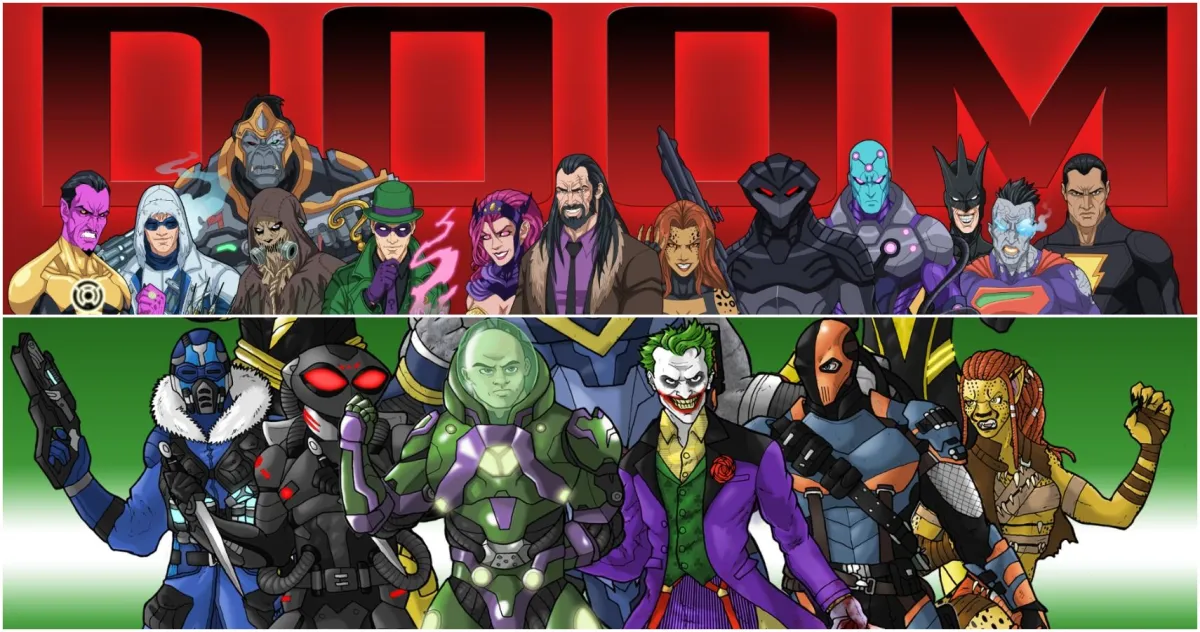 Photo: Legion of Doom, via static3.cbrimages.com
 Photo: Secret Service Electronic Crimes Task Force, via thelakewoodscoop.com
The legal framework was the Computer Fraud and Abuse Act, which in the nineties was interpreted broadly enough to cover basically anything a prosecutor found sufficiently alarming. Simply scanning phone numbers wasn't straightforwardly illegal in the way that accessing a system without permission was, but the moment you connected to something government-adjacent and poked around, you were in territory where the outcome depended heavily on which federal district you were in and how much the prosecutor wanted to make an example of someone.
Several people did get made into examples. The names circulated through the phreaking community with the same reverence and cautionary weight that war stories always carry.
The PBX Graveyard and What VoIP Killed
The analog PBX era ended not with a dramatic confrontation but with a slow economic strangulation. VoIP arrived, businesses migrated, and the physical infrastructure that war dialers had spent a decade mapping became obsolete. The DISA lines went away. The X.25 nodes went dark. The maintenance modems that Nortel and Rolm had installed in every corporate phone closet in America got pulled out and thrown in dumpsters.
The knowledge those teenage cartographers had accumulated — the mental models of how corporate telephony actually worked, where the backdoors were, how to navigate a PBX by ear — became as archaic as knowing how to shoe a horse. Useful in theory. Practically irrelevant.
Except that it wasn't, entirely. The kids who'd spent their teenage years scanning area codes and reading ToneLoc documentation grew up. Some of them went into information security. Some of them became the penetration testers that corporations now pay significant money to find exactly the kinds of vulnerabilities that a teenager with a modem found for free in 1996. The methodology translated directly: enumerate, identify, probe, document. The tools changed. The approach didn't.
ToneLoc is still downloadable. It still runs under DOSBox. There are no more PBX maintenance modems to find, but the philosophy of the scan — patient, systematic, comprehensive — is the foundation of every modern network security assessment.
The teenagers who mapped corporate America's phone infrastructure didn't know they were writing the first draft of an industry. They just knew the TX light was blinking, and somewhere out there, something interesting was about to answer.