Quarters, Payphones, and Federal Agents: The Accidental Monument Emmanuel Goldstein Built in a Food Court

The first Friday of every month, if you knew where to look, you could find them. Not in server rooms or university labs — in the food courts of American shopping malls, next to the Orange Julius, near the cluster of payphones by the entrance. A handful of teenagers and early-twenties guys, some of them holding a small, cheap-looking magazine with a suspicious amount of technical detail inside. They were the 2600 meeting. They looked, to the uninformed observer, like the world's least successful study group. They were, in retrospect, the founding chapter of something that would eventually become every hacker conference, activist tech community, and open-source meetup that followed them.
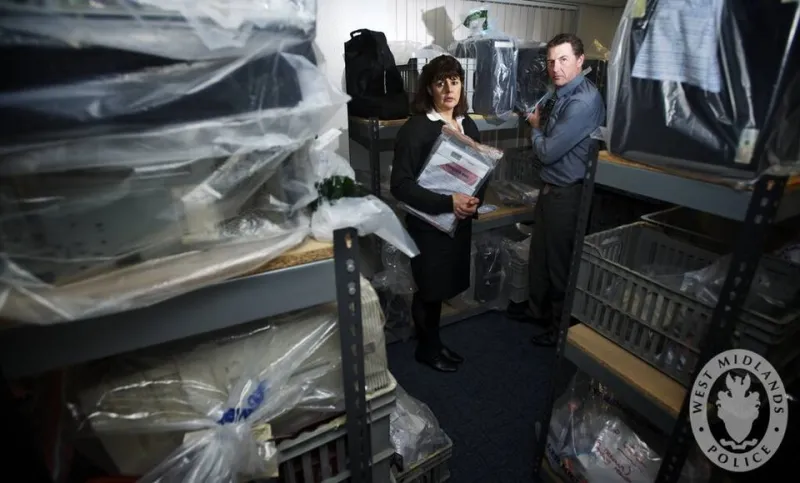
 Photo: Emmanuel Goldstein, via i.ytimg.com
And the payphones they were standing next to? Those weren't decorations. Those were the whole point.
The Magazine That Shouldn't Have Existed
2600: The Hacker Quarterly launched in 1984, named after the 2600 Hz tone that phreakers used to seize control of AT&T long-distance lines — a trick discovered, legendarily, by blowing a toy whistle from a Cap'n Crunch cereal box. By the time most of the magazine's 1990s readership was discovering it, the cereal box era was already mythology. But the tone — confrontational, curious, constitutionally allergic to authority — had transferred perfectly into the new landscape of digital networks, corporate systems, and a phone infrastructure that was, it turned out, full of interesting unlocked doors.
Emmanuel Goldstein — a pen name, borrowed from the Orwell villain, worn with complete sincerity — edited and largely defined the publication from a building on Long Island that seemed to operate on a combination of idealism and chaos. The magazine was not slick. It was not profitable in any conventional sense. It was, however, extremely specific, which is a quality that turns out to matter enormously when your readers are the kind of people who will drive two hours to verify a phone switch location printed in a quarterly publication.
The content was a specific mixture: technical articles on phone system architecture, social engineering scripts, reader-submitted discoveries about corporate voicemail defaults, meditations on the ethics of information access, and a letters section that functioned as an early internet forum before internet forums existed. It was the Whole Earth Catalog for people who thought the phone company was the enemy.
The Meeting as Infrastructure
The 2600 meetings — held on the first Friday of every month, in cities across America and eventually internationally — were Goldstein's most quietly radical invention. The concept was almost insultingly simple: show up at a designated public location (usually a large mall, often near payphones) at a specified time. That's it. No agenda. No speaker. No registration. No cost. Just presence.
What this created, in practice, was a distributed physical network of people who had previously only existed to each other as text on a BBS or in a magazine's letters column. The mall location was not accidental. Malls were public spaces that were very difficult to legally exclude people from, were warm in winter, and — crucially — had payphones. The payphones were both practical (you could demonstrate techniques, trade numbers, experiment with what the magazine had described in theory) and symbolic. The payphone was the scene's altar.
The meetings also served a social function that is easy to underestimate from the distance of several decades. Being a technically curious teenager in 1994 was, in most American suburbs, a lonely proposition. Your school friends didn't care about phone switch architecture. Your parents definitely didn't. The 2600 meeting was, for a lot of kids, the first time they had been in a room with people who spoke the same language.
Some of them went on to found security companies. Some of them went on to found the DEF CON conference, which is now the largest hacker gathering in the world. Some of them just went home and kept reading the magazine and that was enough.
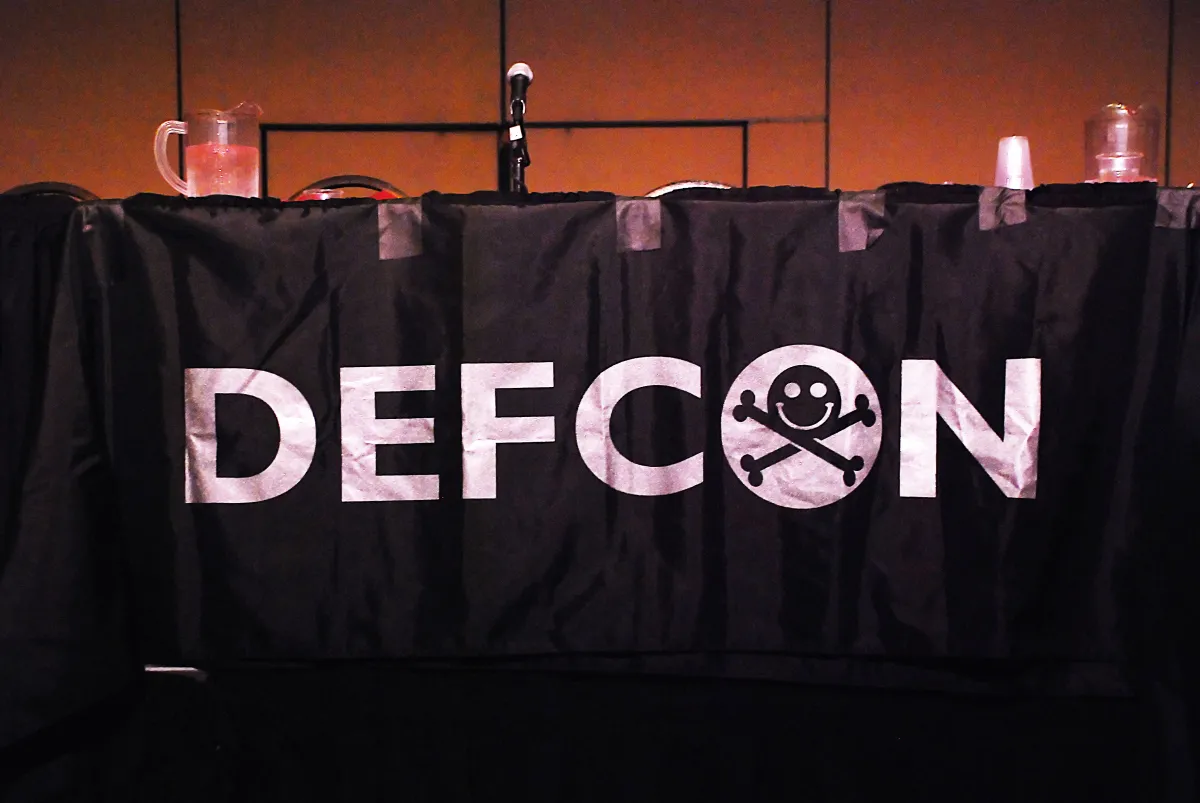 Photo: DEF CON, via www.vice.com
The Subscribers Who Were Definitely Not Federal Agents
It would be naive to discuss 2600's readership without acknowledging the portion of it that was employed by agencies whose business cards read things like 'Federal Bureau of Investigation' or 'Secret Service.' The magazine was not subtle about its contents. It printed phone numbers. It printed switch locations. It printed, on at least one memorable occasion, information about how certain government systems handled access control in ways that the relevant government agencies found uncomfortable.
The relationship between 2600 and federal law enforcement was a long, slow-motion dance in which both parties pretended, for extended periods, that the other was not watching. Goldstein was aware that the magazine attracted official attention. He seemed to regard this as more or less fine, partly on First Amendment grounds and partly because the attention was, in a perverse way, validation. If the FBI was reading, the magazine must be saying something worth reading.
The meetings attracted their own surveillance. Attendees at larger 2600 meetings in major cities developed the habit of identifying the people who were clearly not there for the community — the ones taking notes, the ones who asked questions with the specific cadence of someone filling out a form in their head, the ones who showed up once and never came back. This paranoia was not always warranted. It was also not always unwarranted. The 1990s were a period of genuine federal aggression toward hacker communities, documented in Steve Levy's writing and in the Electronic Frontier Foundation's founding documents, which exist precisely because of how badly some of those encounters went.
 Photo: Electronic Frontier Foundation, via c8.alamy.com
The Template for Everything That Came After
What Goldstein built — and this is the part that deserves more recognition than it gets — was a complete template for the kind of community infrastructure that the internet would later reproduce at enormous scale.
The magazine was a newsletter with a strong editorial voice and a committed subscriber base who felt ownership over the publication. The meetings were local chapters of a distributed community organized around shared interest rather than geography. The letters section was a comment thread. The technical articles were open-source documentation of systems that their official owners had never intended to document. The social engineering scripts were, in a direct line, the ancestors of every security awareness training document that corporate America now pays consultants to produce.
DEF CON, which started in 1993, owes its DNA directly to the 2600 meeting format. The Electronic Frontier Foundation, founded in 1990, was responding to exactly the kind of government overreach that 2600's readers were experiencing firsthand. The entire tradition of the hacker conference — the talks, the villages, the culture of showing your work — runs through that food court in ways that most current attendees have no reason to think about.
The payphones are gone now. The malls are dying. 2600 still publishes, which is either a miracle or a testament to the specific stubbornness of people who were told repeatedly that what they were doing was illegal, dangerous, and definitely being monitored — and kept doing it anyway.
First Friday of the month. You know where to find them.